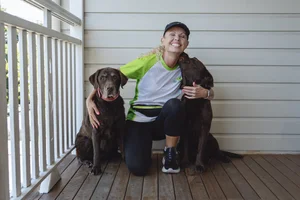
Sibling Syndrome: The Risk of Raising Two Puppies or Young Dogs Together
If you are thinking about bringing home two puppies at the same time, it is worth understanding the possible behaviour challenges before you make the decision.
Also known as Littermate Syndrome, this issue can affect puppies raised together and may lead to anxiety, training challenges and behaviour concerns if not managed early.
Bringing home two puppies at once can seem like a dream. They have a built-in playmate, they can keep each other company, and it feels as though they will settle in more easily together. However, raising two puppies from the same litter - or two young dogs of a similar age - can sometimes create a condition commonly referred to as Sibling Syndrome or Littermate Syndrome.
This happens when the puppies become overly dependent on each other rather than forming a healthy bond with their human family. Over time, this close attachment can affect their confidence, independence, social skills and ability to learn.
What are the signs of Sibling Syndrome?
Sibling Syndrome can show up in different ways, and the signs may become more obvious as the puppies mature. Some common signs include:
Not bonding with their new family - They only want to be with each other, often to the exclusion of a meaningful relationship with their humans.
Over-dependence - Puppies panic or become anxious when separated from each other.
Poor social skills - They may struggle to interact appropriately with other dogs or people.
Anxiety - They may show increased shyness or anxiety around new environments, people, or experiences. This can sometimes be more obvious in one puppy than the other.
Aggression - Fights can break out between siblings, especially as they reach maturity at around 7–8 months.
Difficulty with training - They may ignore the owner and only respond to each other, making obedience harder to establish.
Slower development - One pup may become dominant while the other remains submissive, preventing balanced growth and confidence.
Why we recommend caution
In general, we strongly discourage taking on two puppies from the same litter, or bringing home two young dogs at the same time - even within six months of each other. While it may feel like a wonderful idea at first, it often becomes more challenging for everyone involved, including the dogs.
If you would like to add a second dog to your household, we recommend waiting until your first dog is at least three years old and free from behavioural challenges such as anxiety, separation anxiety or aggression. This gives your first dog time to mature, build confidence and independence, and establish a strong relationship with you before another dog joins the family.
Already raising two puppies? Here’s how to help
If you already have two puppies or young dogs growing up together, there are practical steps you can take to help prevent or manage Sibling Syndrome. The goal is to help each dog build independence, confidence and a strong individual bond with their humans.
Individual training - Train each puppy separately to ensure they bond with their human and learn to follow commands without their sibling present.
Separate socialisation - Expose them to different people, dogs and environments independently so they develop confidence on their own.
One-on-one time - Spend individual time with each puppy daily, including walking, playing and resting apart.
Crate training - Give each puppy their own crate to build independence and prevent over-reliance on each other for comfort, preferably starting them off in separate rooms or spaces.
Supervised play together - Allow them to interact, but do not let them spend all their time together. Supervise playtime and keep a lid on over-excitement.
Professional support - If problems arise, seek guidance from a dog behaviourist experienced in littermate dynamics.
Need support?
Sibling Syndrome can be challenging, but early guidance and consistent management can make a real difference. SOS Dogs can help with advice and support tailored to your situation.
Book an in-home puppy training consultation with Jo - whether you are planning ahead or already raising two puppies together.